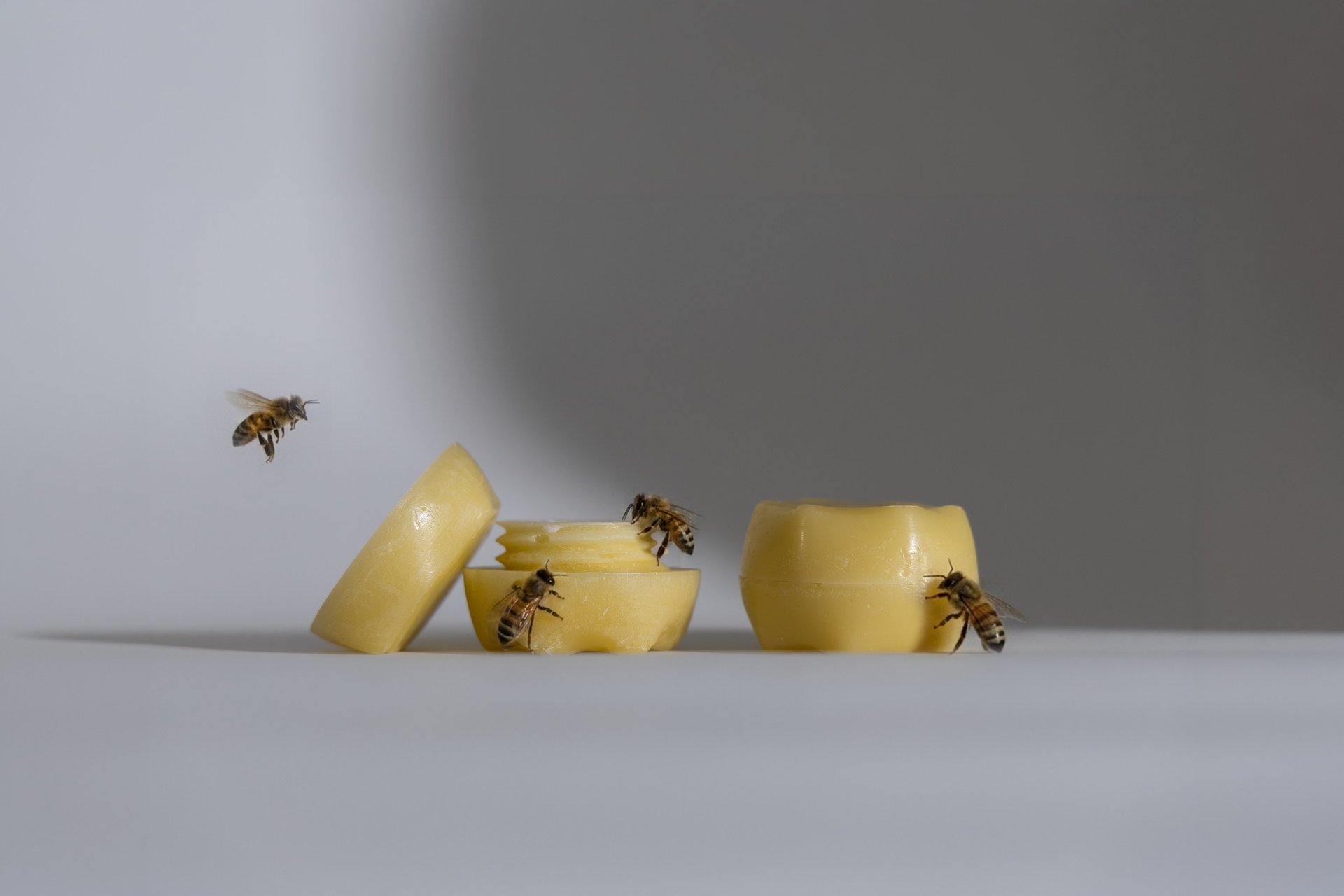
BEESWAX
exploring beeswax as an alternative to plastic
Mind Your
What if materials weren’t something we owned—but something we borrowed?
As we have seen with microplastics and ocean pollution:
EVERYTHING RETURNS
If we want it to or not
It is up to designers to decide the state in which those things return
When you return something, you do so as good or better than when you found it
SO WHY BEESWAX?
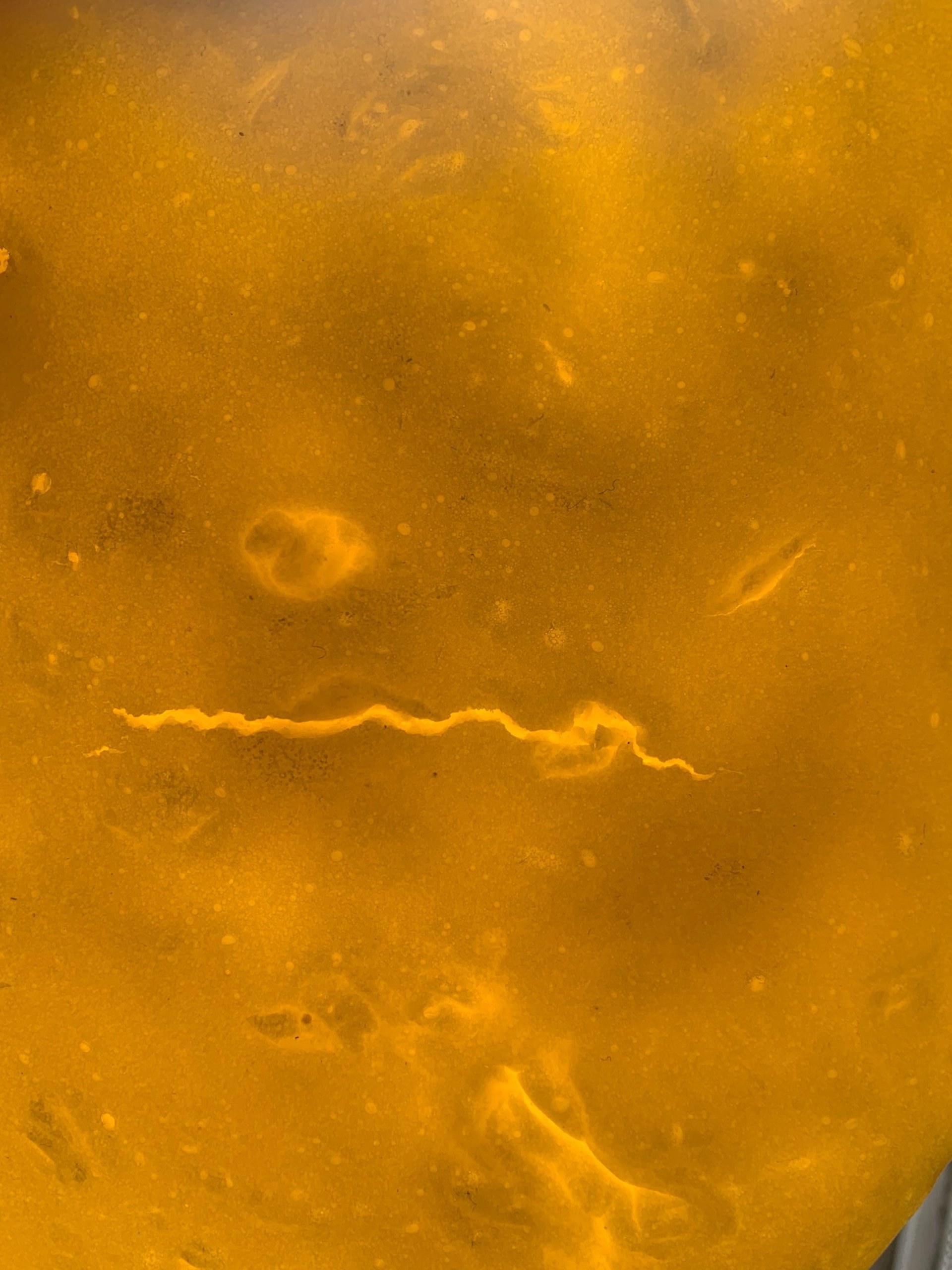
BORROWABILITY
It is one of the only materials in the world that is both fully recyclable and fully compostable
Meaning it can be:
HARVESTED → SHAPED → USED → MELTED → SHAPED → USED → COMPOSTED
All without changing anything about it
Just borrowing it


IT ALL STARTED WITH 3D PRINTING
Driven by frustration over 3D printing waste, I sought a bio-based material that could be instantly remelted and reprinted on-site. This led me to pioneer experiments using beeswax as a sustainable, zero-waste filament alternative
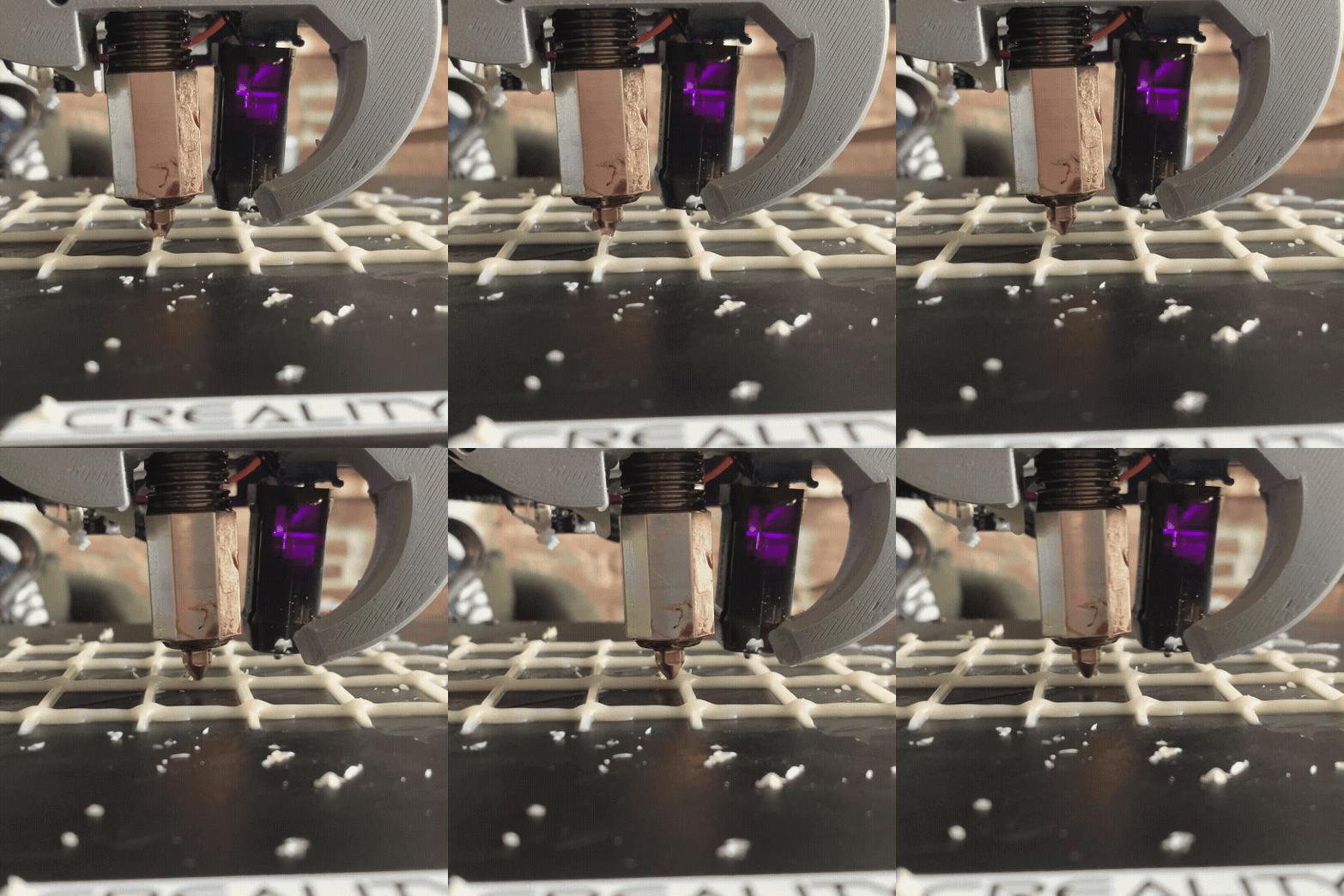
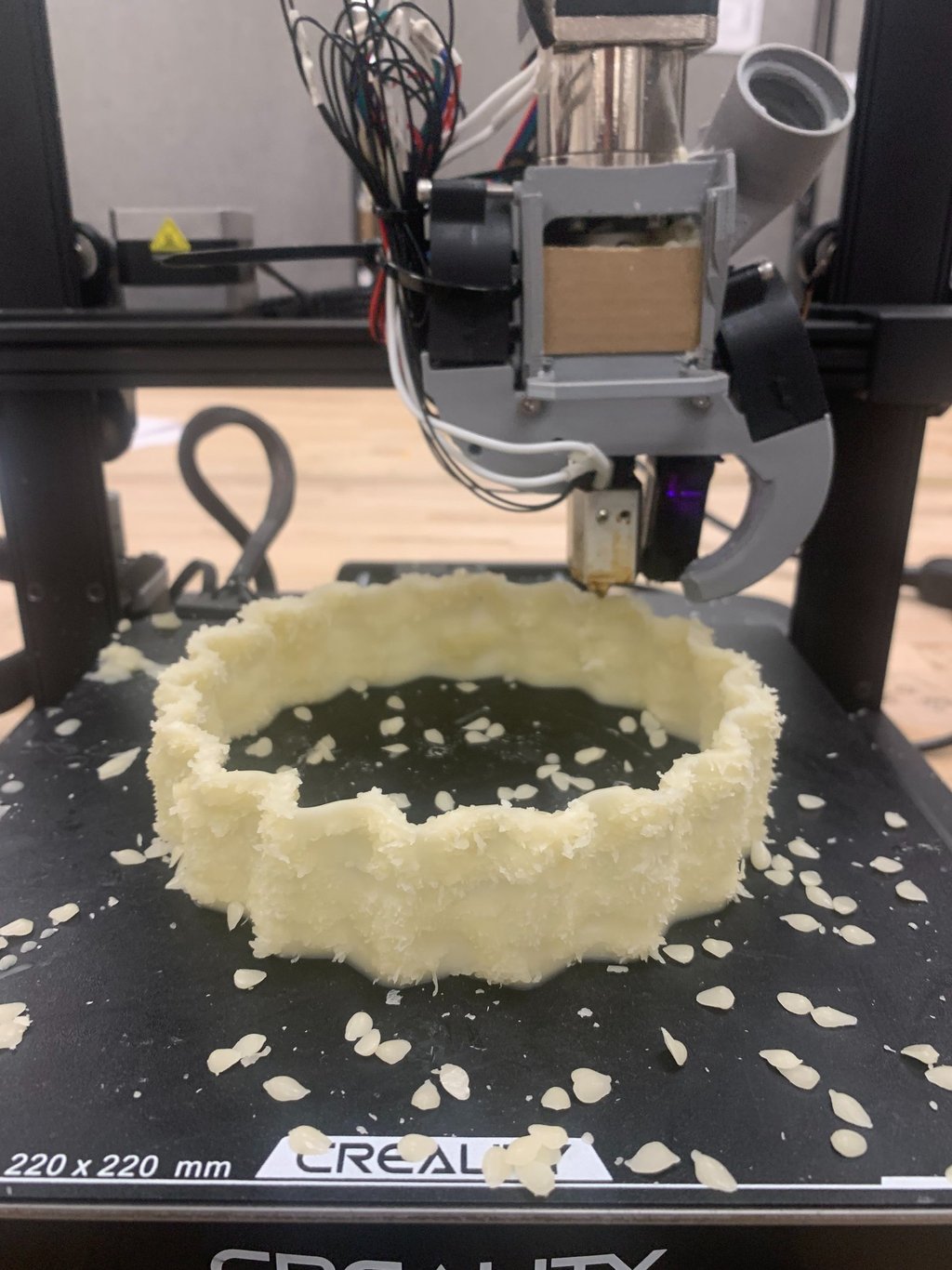
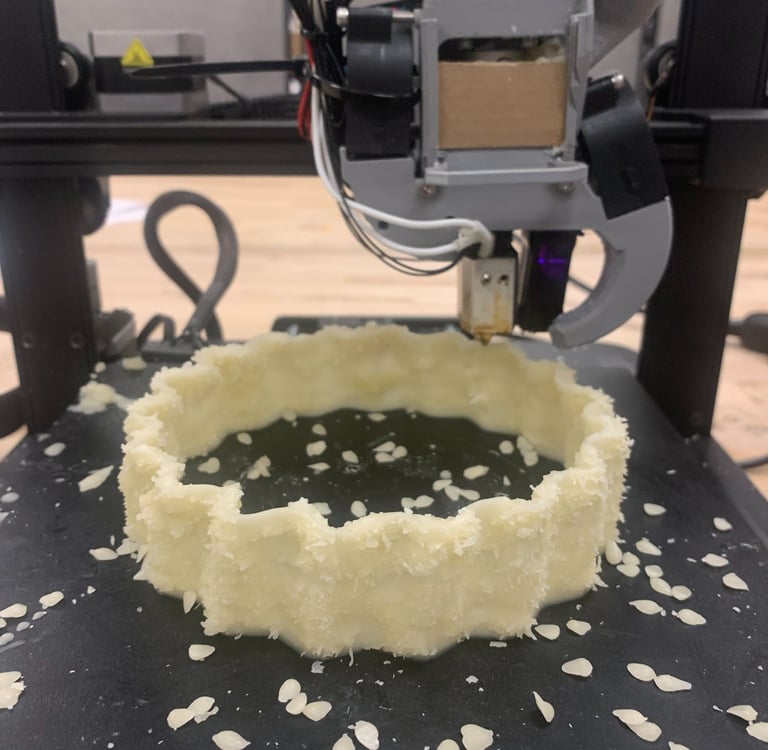
I began to modify a 3D printer to be able to print molten beeswax using a drip method instead of an extrusion
After finding some success with 3D printing, I began to explore other ways wax could be used in new ways
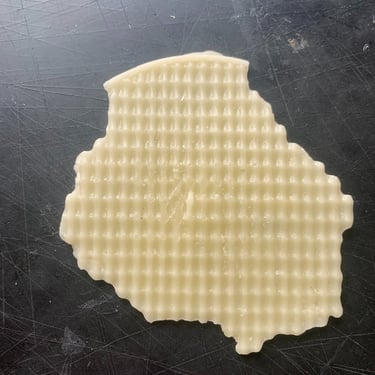
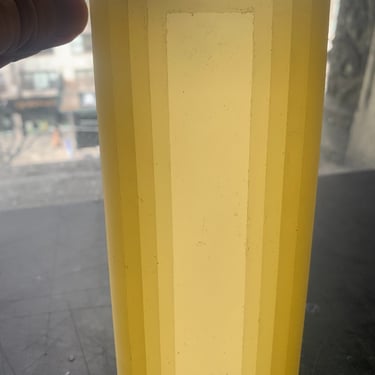
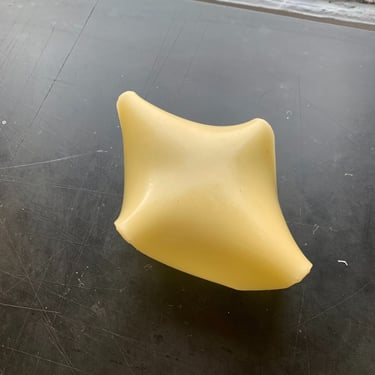
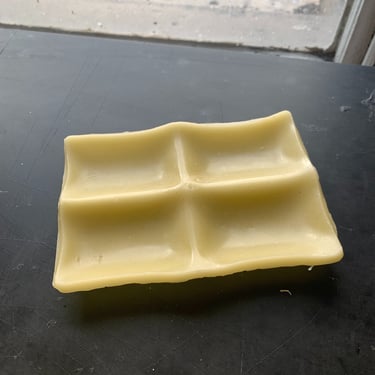
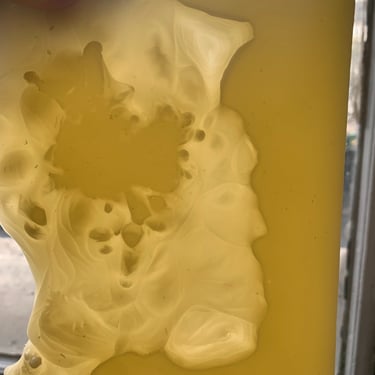
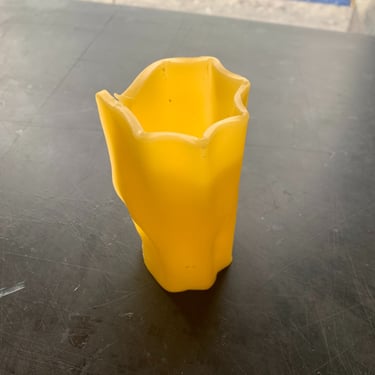
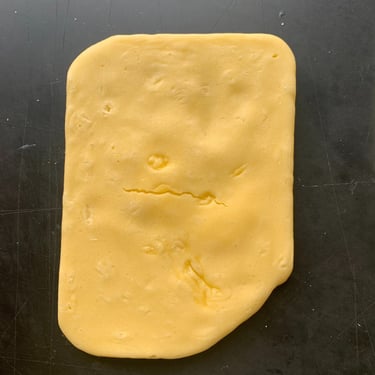
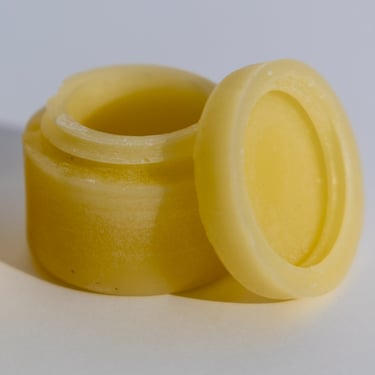
ADDITIONAL EXPLORATIONS
Here are some of my experiments which included texturing, embossing, slumping, casting with water, foaming, and threading.
From here, I picked three object typologies I believe best shows what beeswax can be used for: lighting, tabletop, and cosmetic packaging
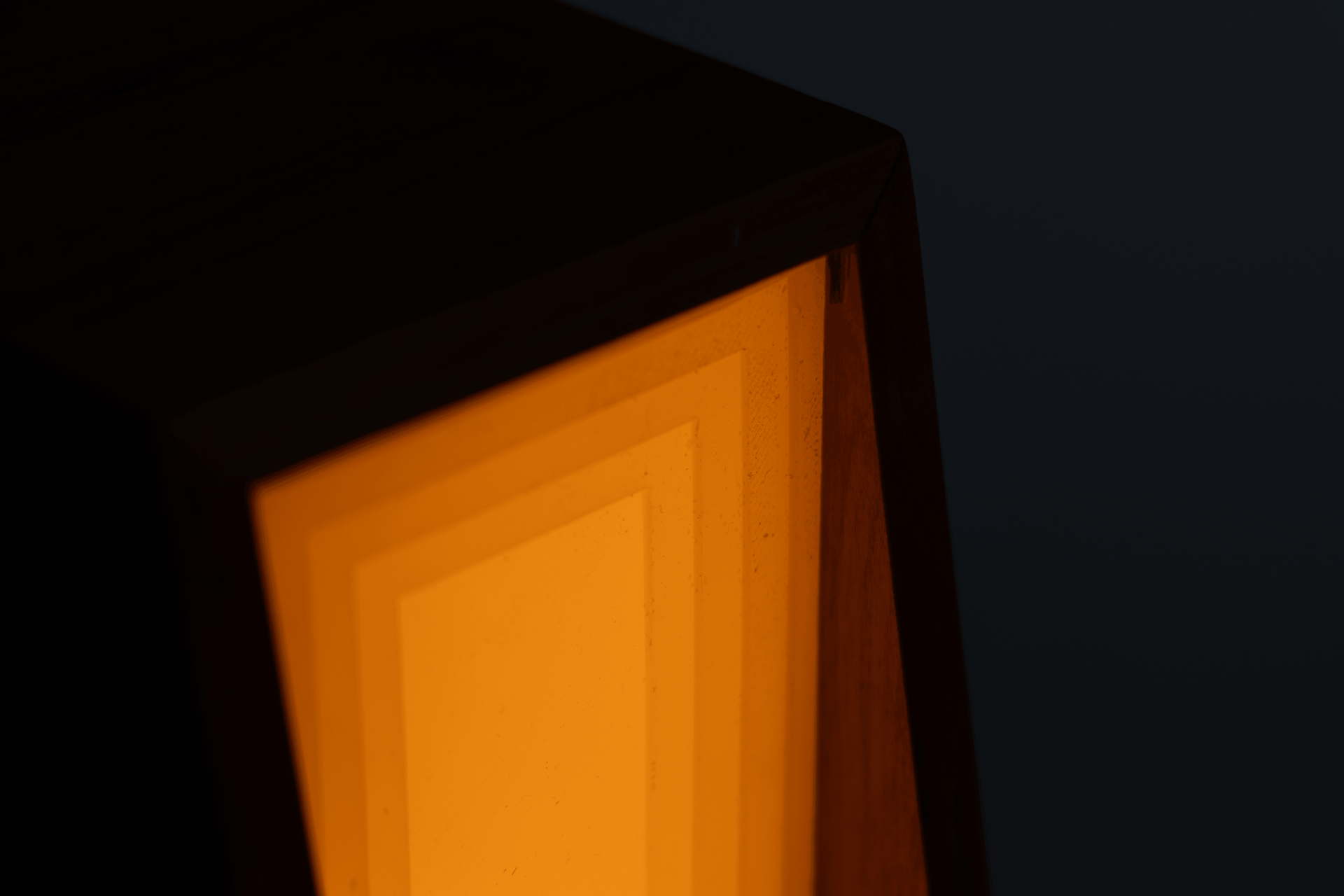
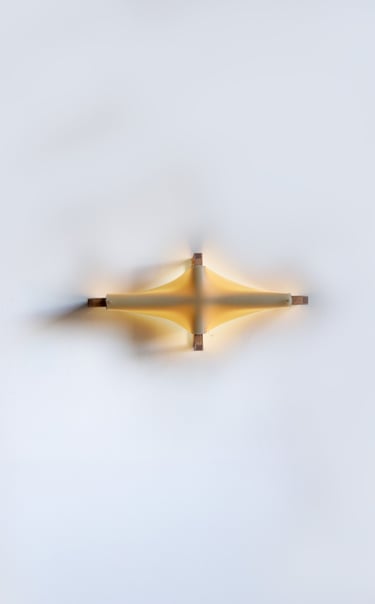
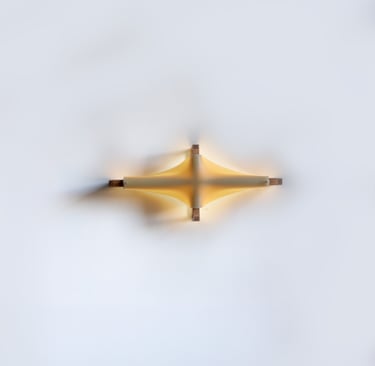
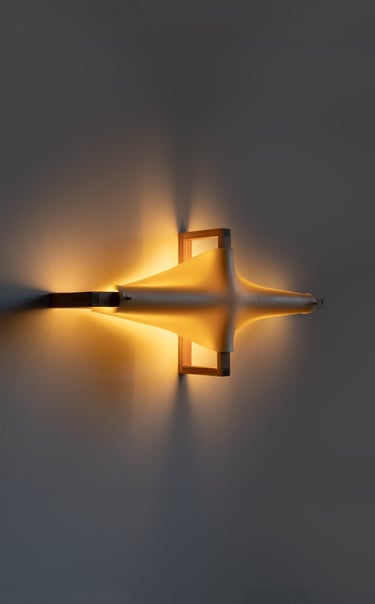
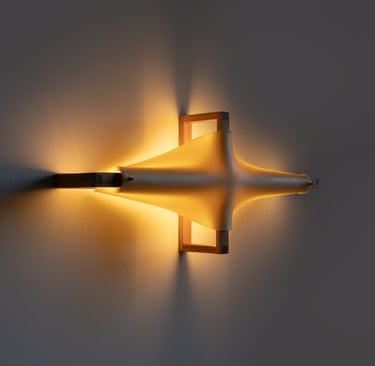
LIGHTING
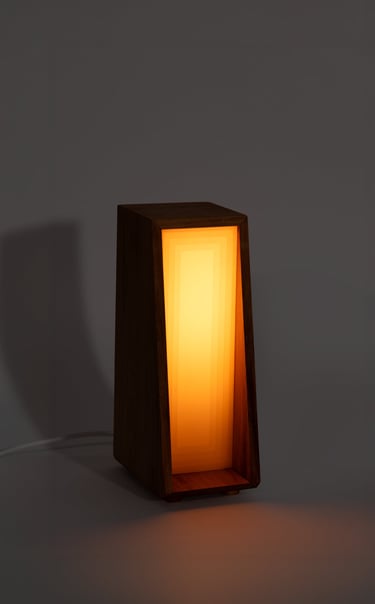
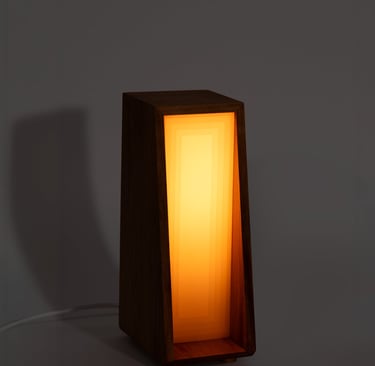
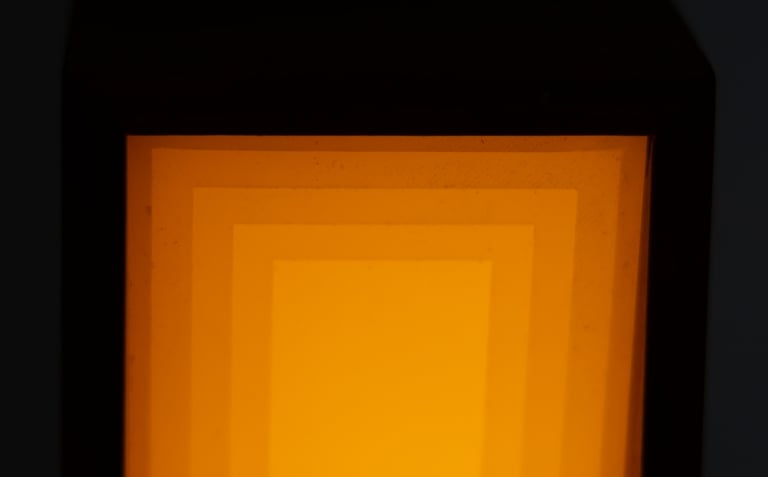
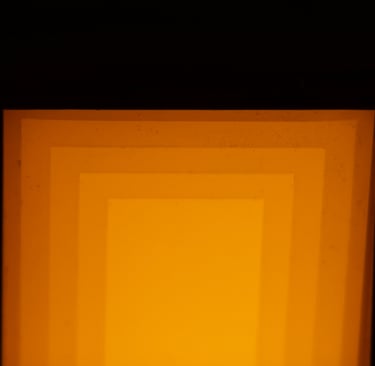
Beeswax has been used in lighting for thousands of years so I wanted to see if it could be applied to more modern contexts. With the use of LEDs and their much cooler bulbs, melting is no longer an issue compared to incandescents.
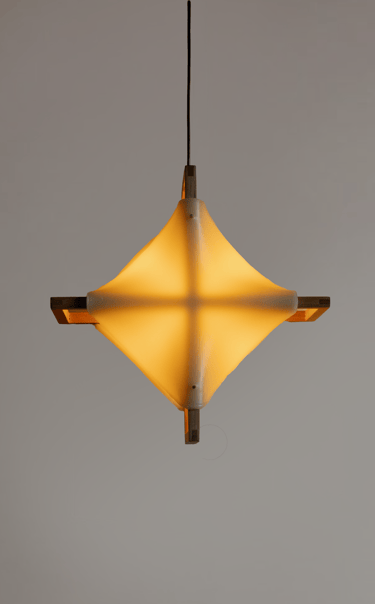
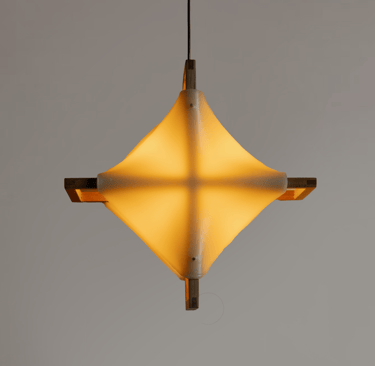
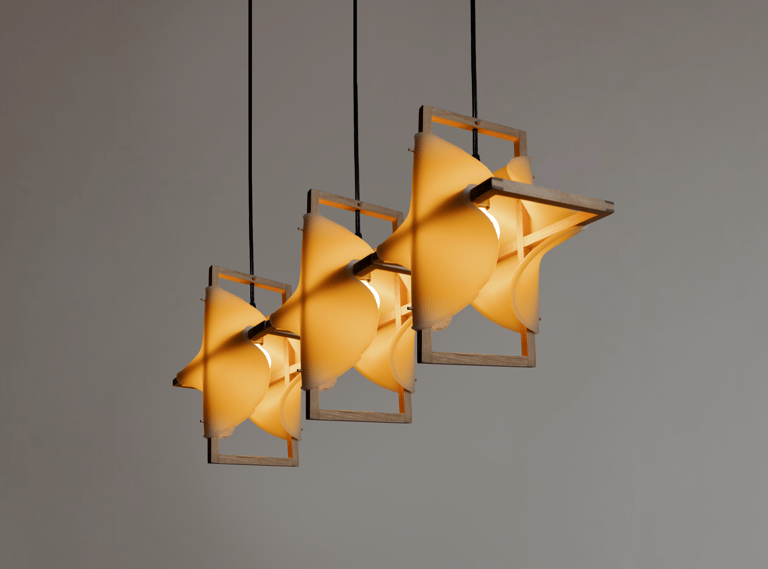
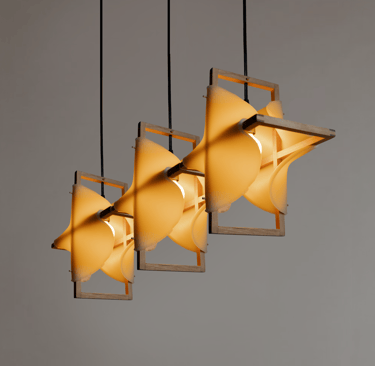


TABLETOP
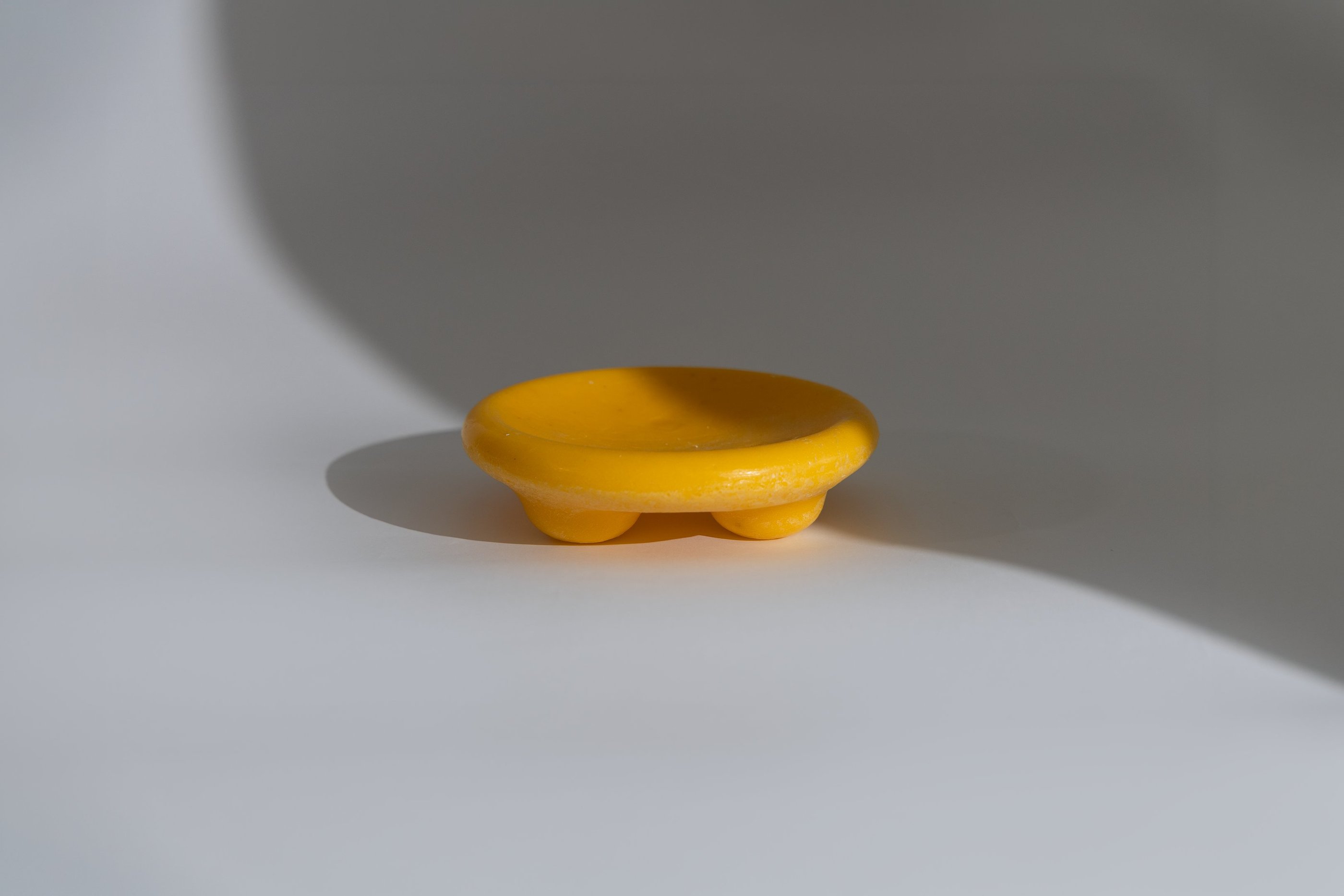
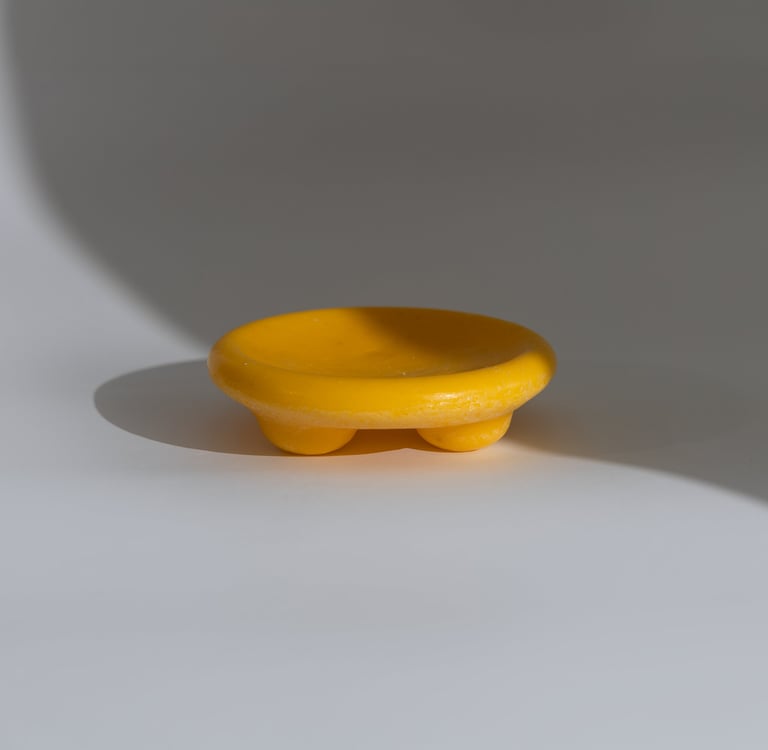
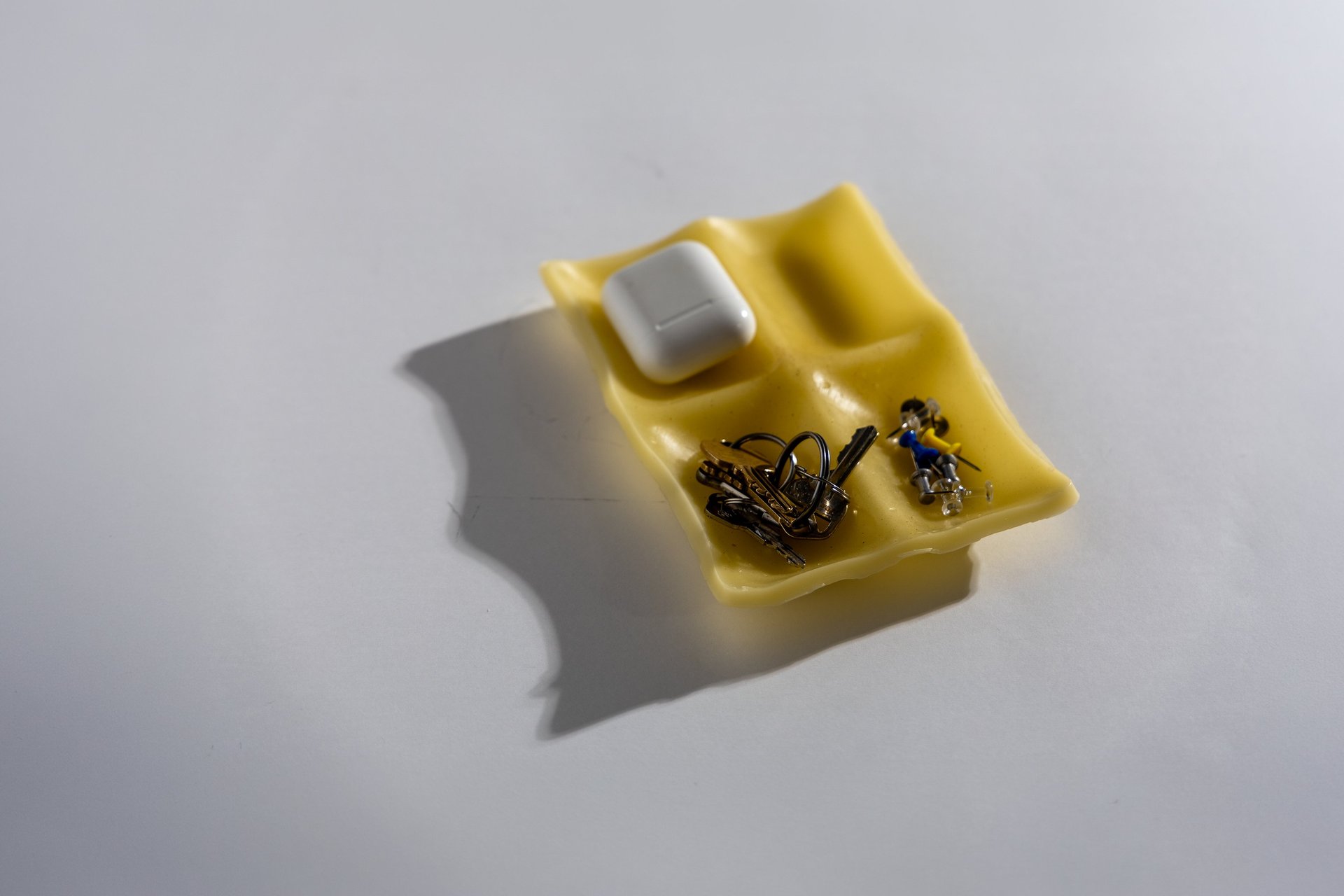
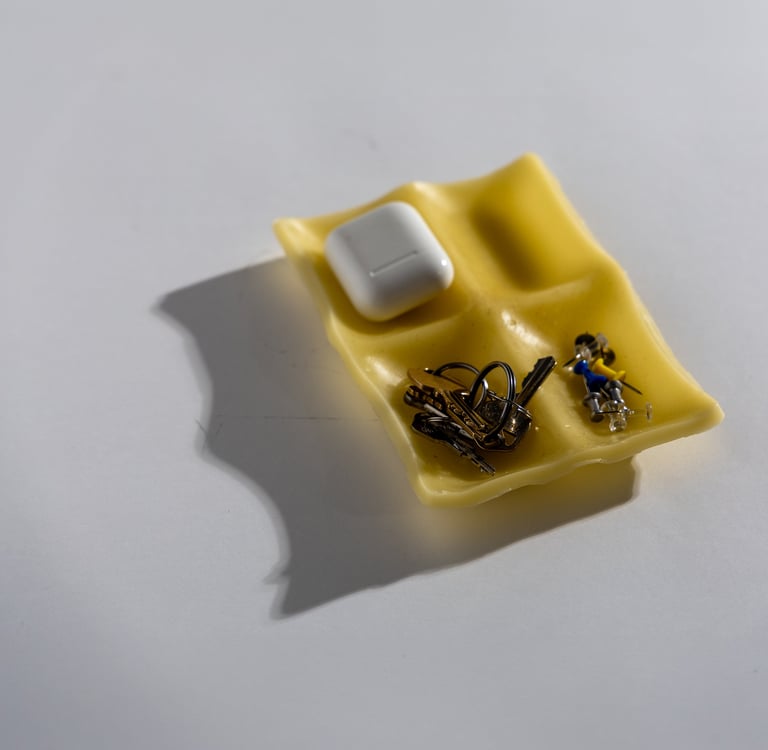
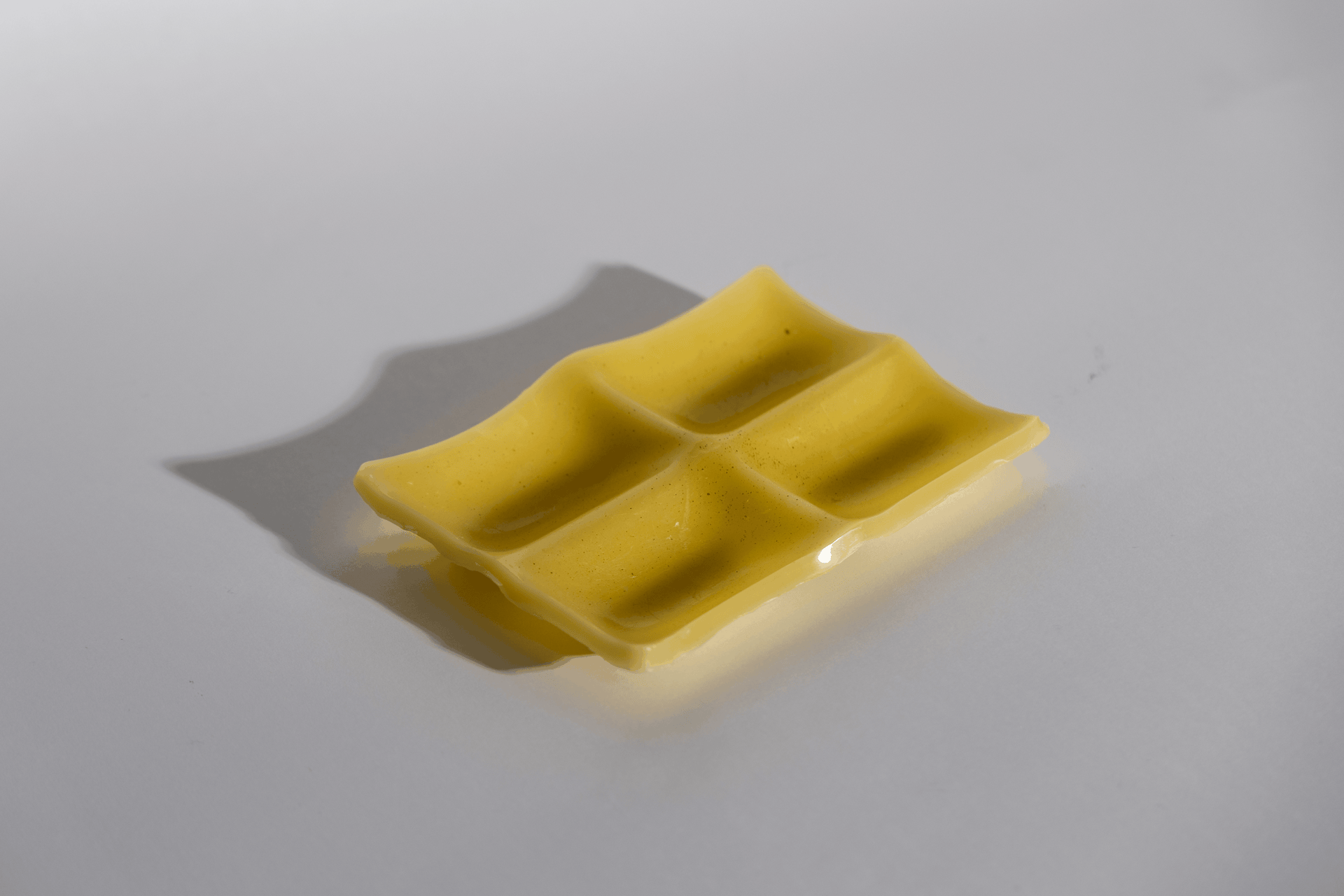
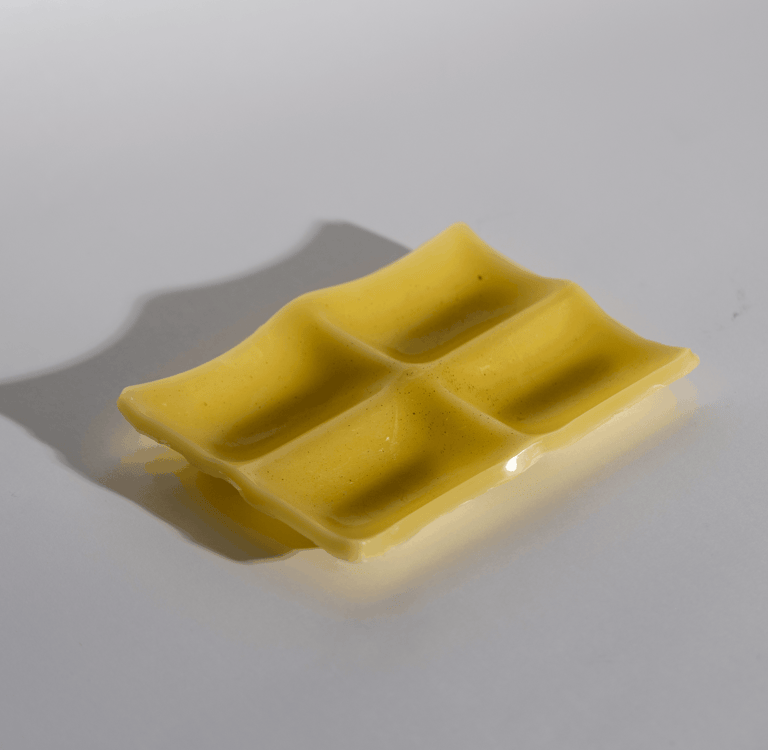
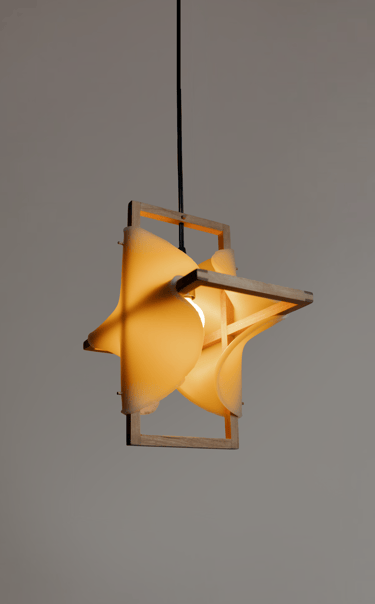
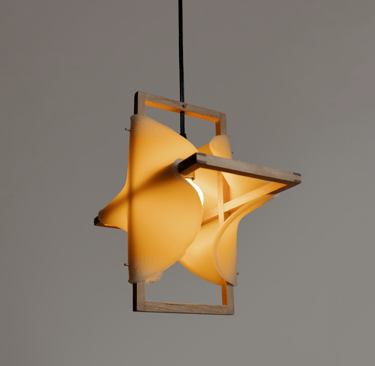
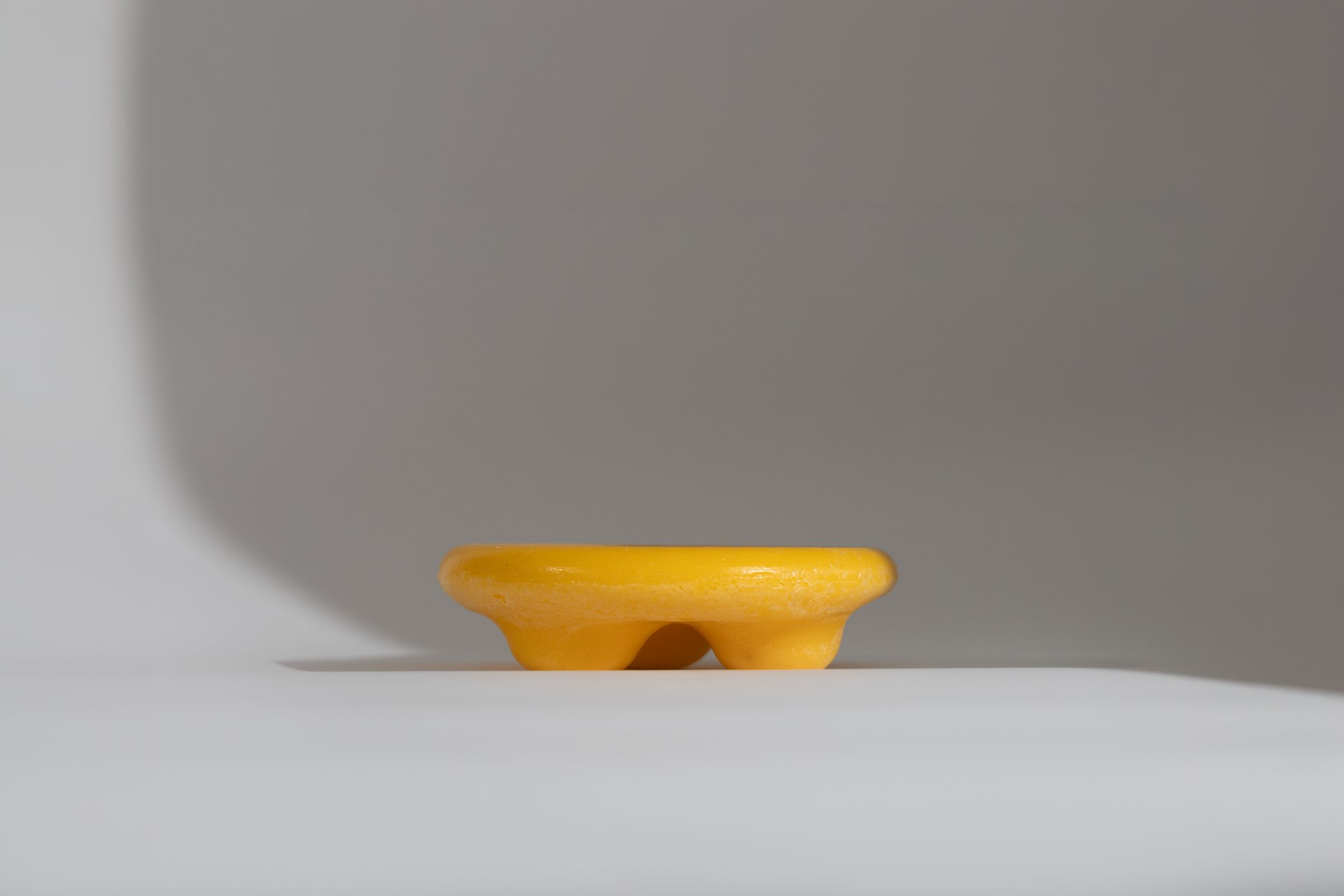
Tabletop objects became a natural direction because they are among the most personal and frequently interacted with items in our daily lives. Unlike larger, more permanent designs, they invite touch, movement, and constant rearrangement, making them ideal for a material like beeswax that responds to use and change. Instead of shedding microplastics, this object makes the skin healthier with every touch.
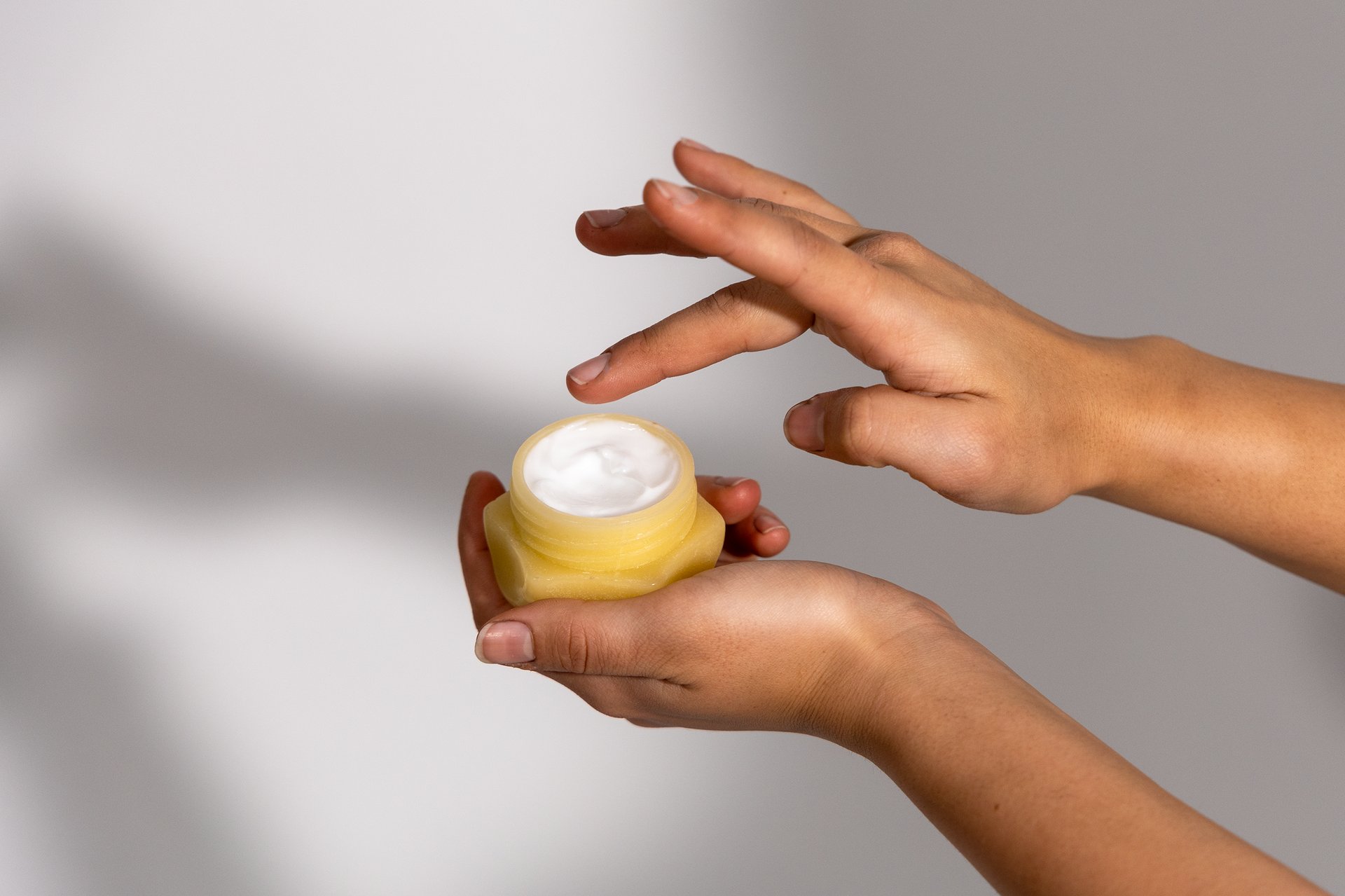
COSMETIC PACKAGING
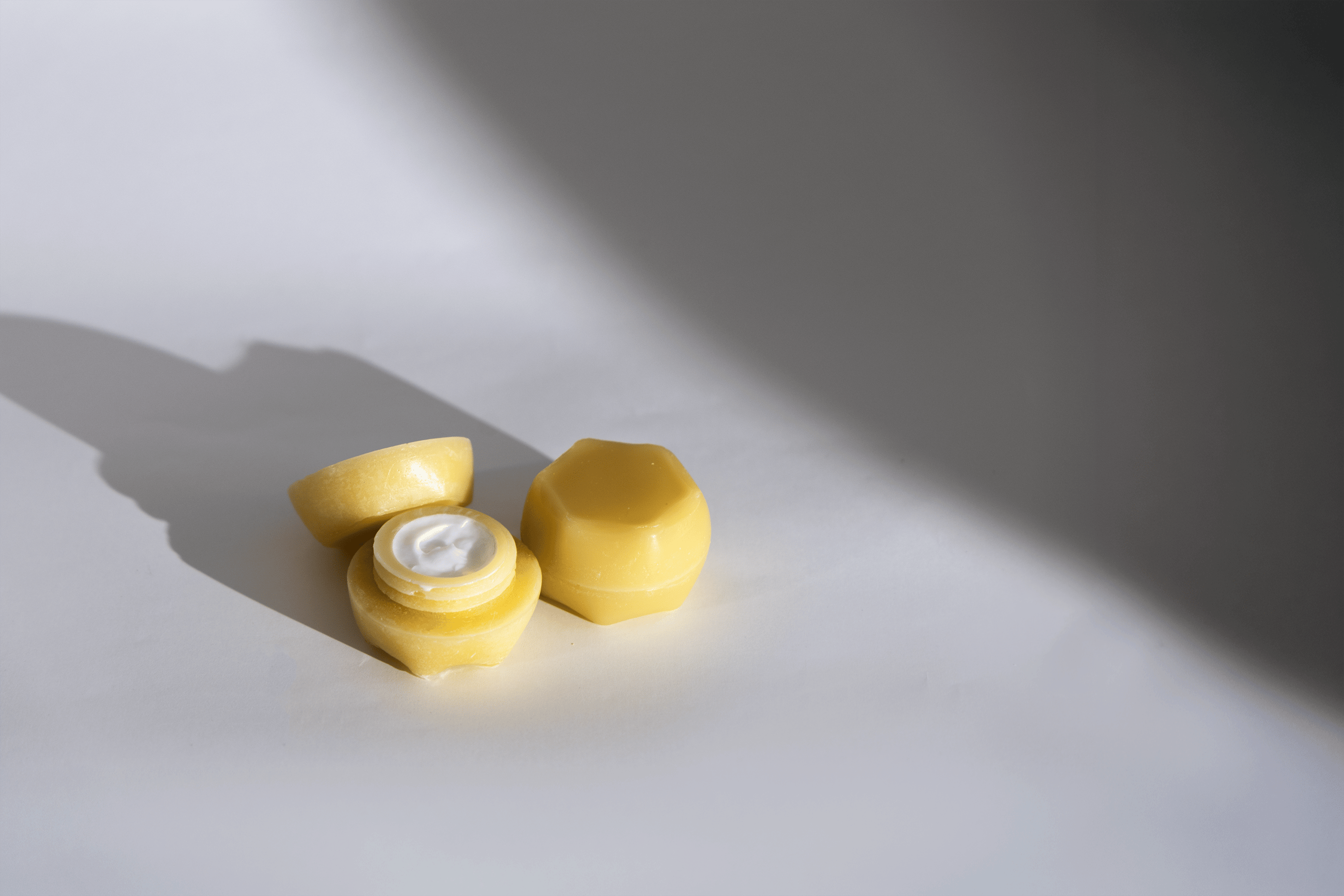
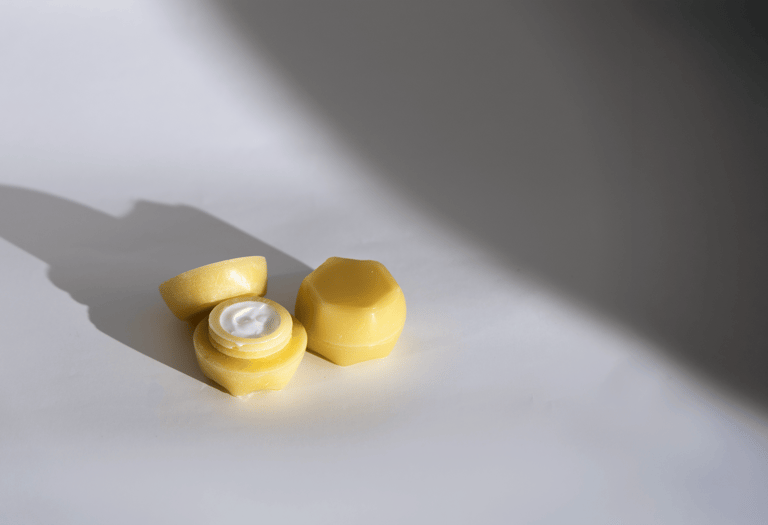
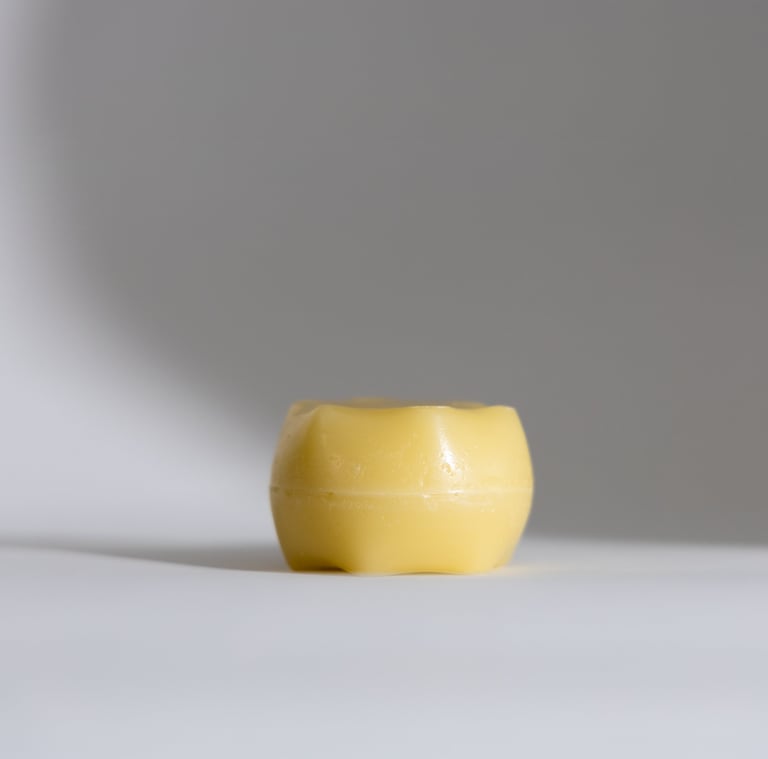
Cosmetic packaging suffers from a material mismatch: short-lived products are encased in plastic that lasts for centuries. Beeswax fixes this by aligning the packaging's lifespan with the product; it is biodegradable, renewable, and naturally antimicrobial. Furthermore, because it can be melted and reshaped, beeswax supports a circular approach by transforming packaging from disposable waste into a reusable resource.
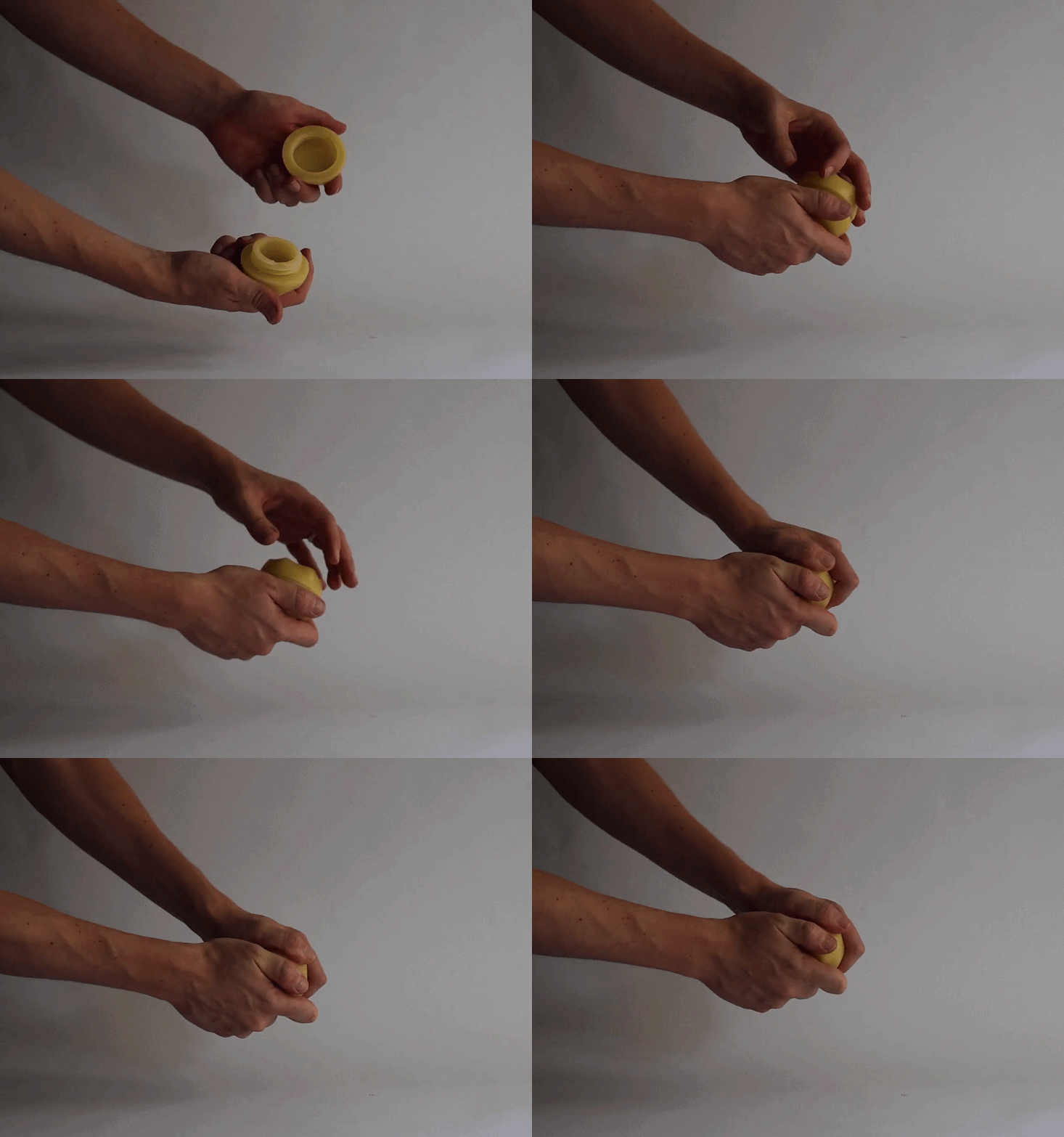




The weight of the world's annual cosmetic packaging is equal to 500,000 schoolbuses
That is enough to stretch from NYC to Miami and back
Only 9% of that gets recycled
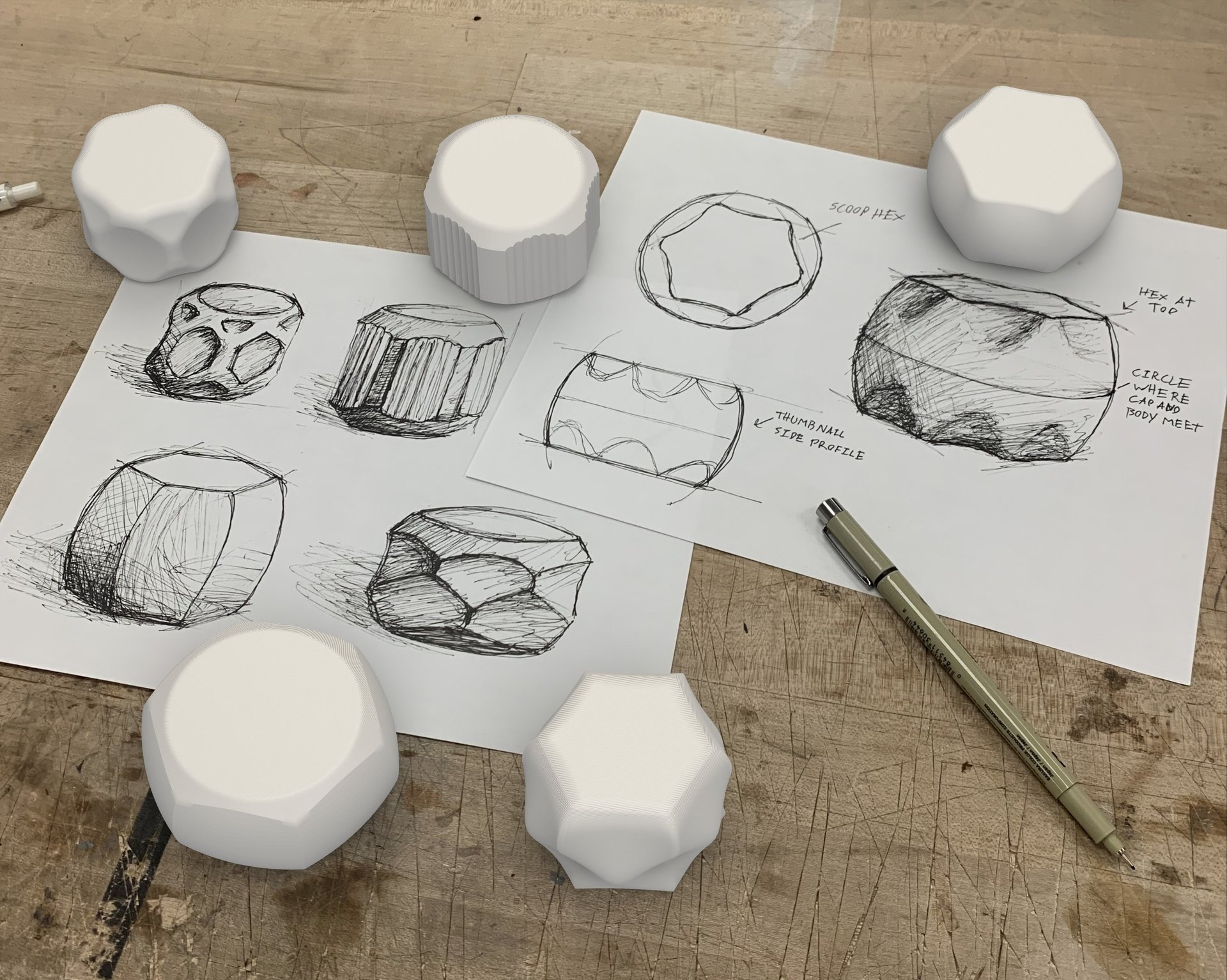
FORM FINDING
FUN FACT
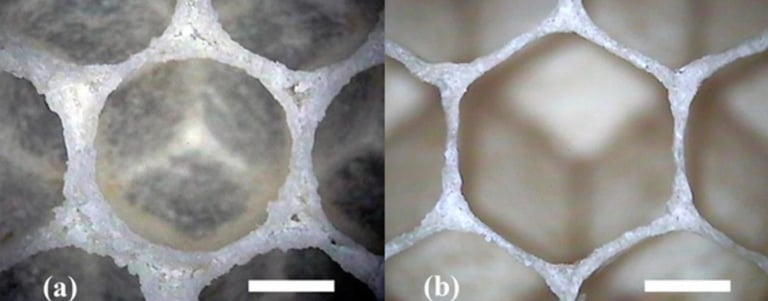
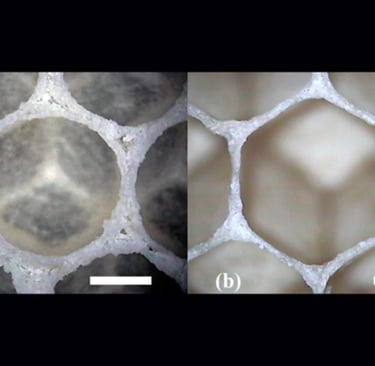
Bees don't make hexagons, they make circles. It is the heat and surface tension that makes the hexagon.
I wanted to create a form that uses both the shape of a circle and a hexagon to pay homage to the maker of the material.
WHAT ABOUT COST?

The WWF did a study in 2014 to try and find the lifetime cost of plastic to the economy. They concluded that the true lifetime cost of plastic is 10x higher than its market price.
A 2025 study from Duke University estimated that the health-related costs of plastic use in the U.S. alone sit between $510 billion and $830 billion annually
TRUE COST
EXTENDED PRODUCER RESPONSIBILITY (EPR)
New European environmental policies are forcing companies to pay for the waste they create through EPRs. Under directives like the EU Single-Use Plastics Directive, manufacturers must fund the collection, sorting, recycling, and cleanup of their post-consumer waste. Furthermore, tightening EU regulations go a step further by legally requiring packaging to be fully recyclable while forcing a strict reduction in overall material use.
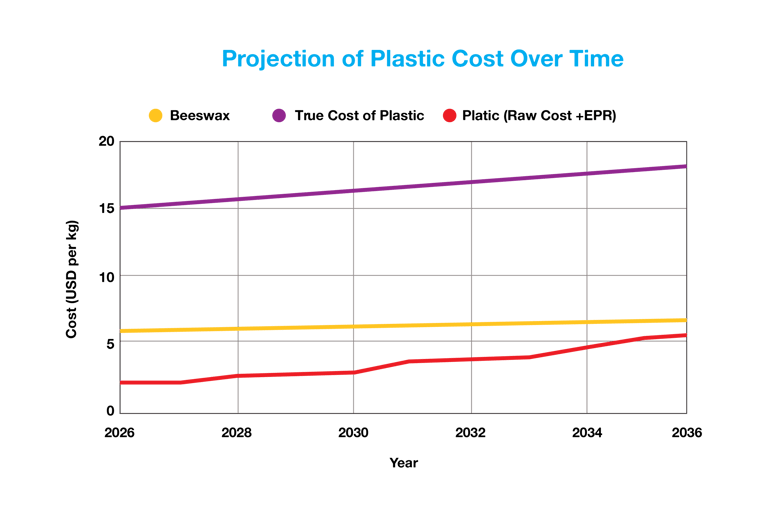
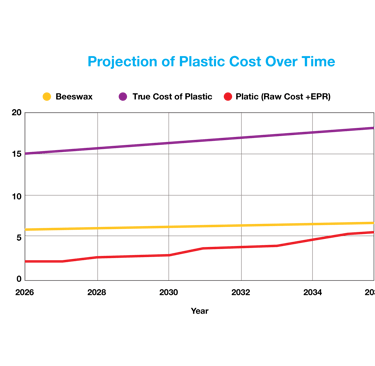
While beeswax is more expensive than plastic, when you look at the true cost and the rising price of plastic due to EPRs, beeswax can be a suitable alternative


NEW DEMAND
Younger consumers are driving a shift toward healthier, more sustainable packaging—and they’re willing to pay for it.
Studies show that 70–73% of Gen Z consumers are willing to pay at least 15% more for products with eco-friendly packaging
Over 70% have chosen products specifically because of plastic free packaging.
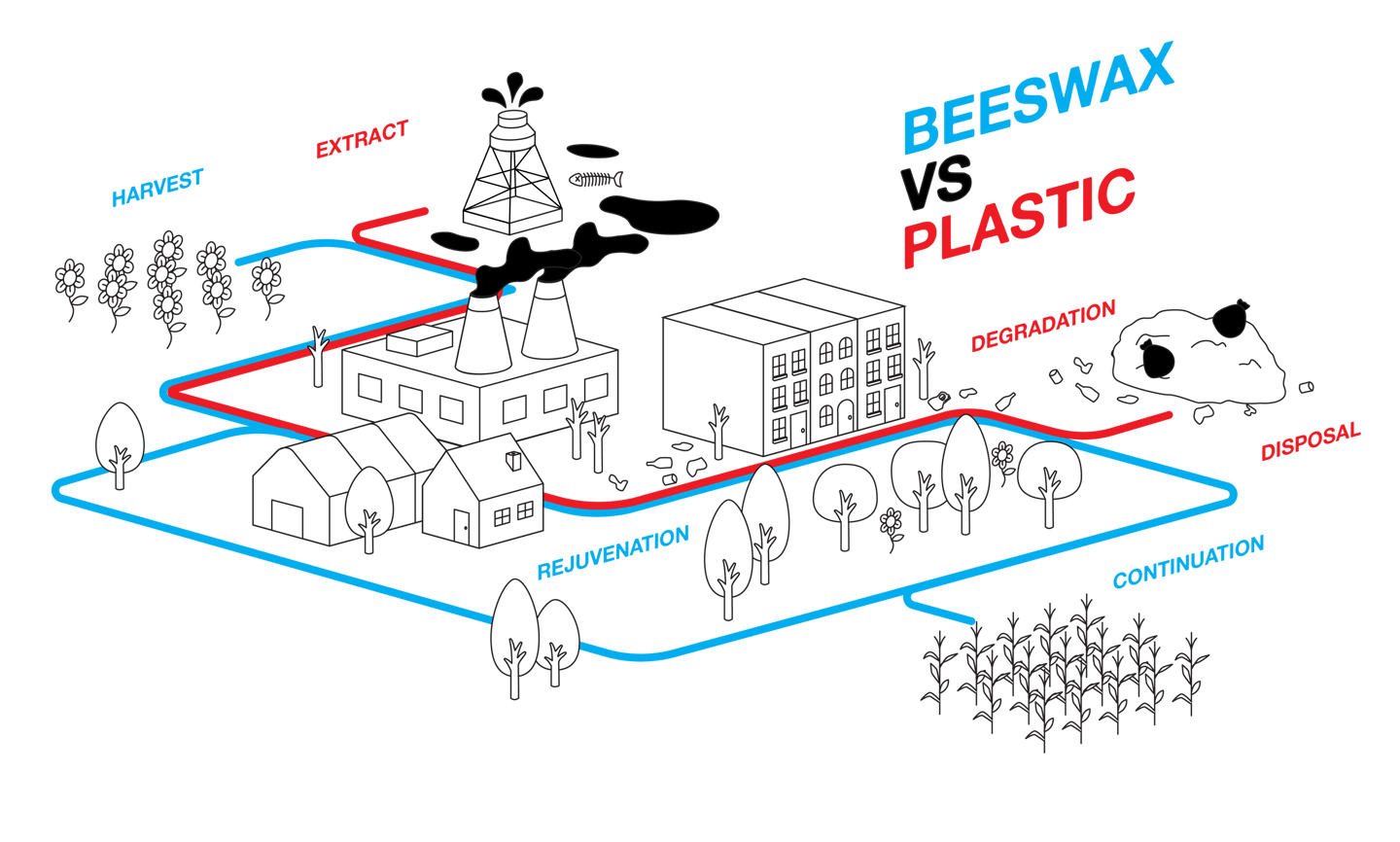
Across its entire lifecycle, plastic is defined by negative externalities—harm that exists outside the product itself. From extraction to disposal, it generates pollution, health risks, and long-term environmental damage that are not reflected in its cost.
In contrast, beeswax operates within a system of positive externalities. Its production supports pollination, which is essential to plant life, food systems, and ecosystem health. Rather than creating hidden harm, beeswax contributes to regenerative cycles, where making and using the material actively benefits the world around it.
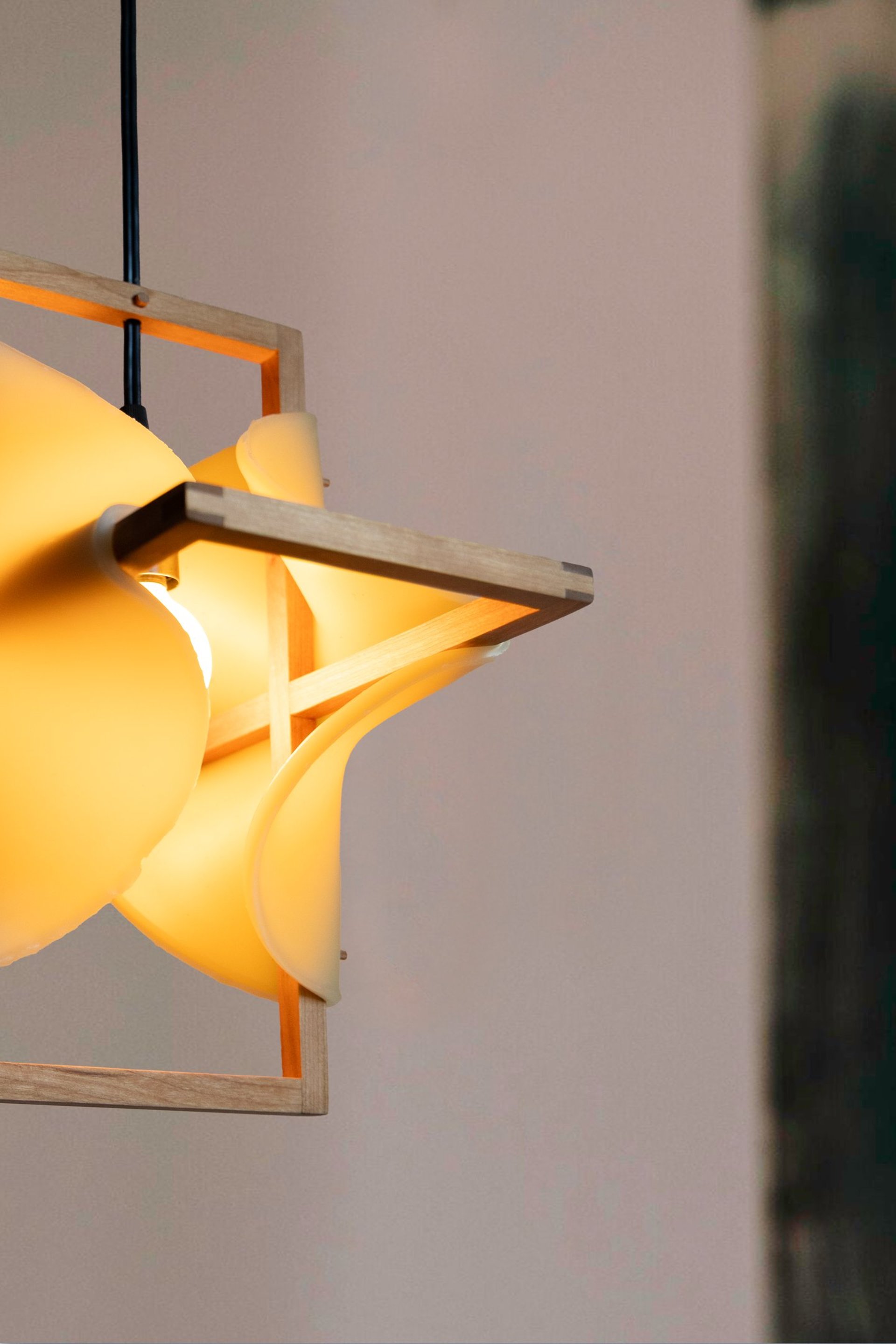
More than a swap of materials, this project is a shift in perspective. We are moving away from the culture of disposal toward a philosophy of borrowing. Because every resource has an origin and a destination, borrowing isn’t a choice—it’s a reality. The real decision lies in whether we choose to sustain life or degrade it.
If we want to change things we have to change our things, this start with thoughtful design and a some beeswax.